
Sports psychology is an interdisciplinary science that pulls on knowledge from many related fields including biomechanics, physiology, kinesiology, and psychology. It involves the study of how psychological factors affect performance and the way participation in sport and exercise affect psychological and physical factors. Sports psychologists teach cognitive and behavioral strategies for athletes to enhance their experience and performance in sports.
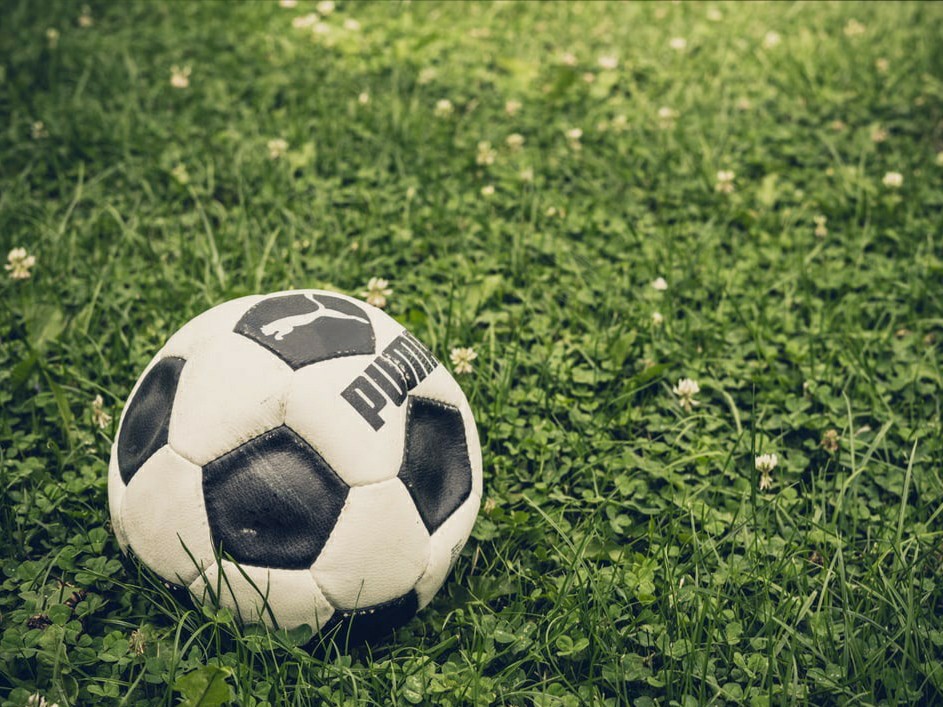
Additionally, to instruction and training of psychological skills for performance improvement, applied sport psychology may include work with athletes, coaches, and fogeys regarding injury, rehabilitation, the advantages of Sports Psychology for Athlete’s Communication, team building, and career transitions. A sports Psychologist features a vital role within the career success of a sportsman. They will do several things to enhance the performance of the athletes and help them with sports. A sports psychologist can do are numerous, but they primarily teach athletes mental game skills to enhance their performance and learning. Briefly Sport Psychology are interventions designed to help athletes and other sports participants from a good array of settings, levels of competition and ages, starting from recreational youth participants to professional and Olympic athletes to master’s level performers.
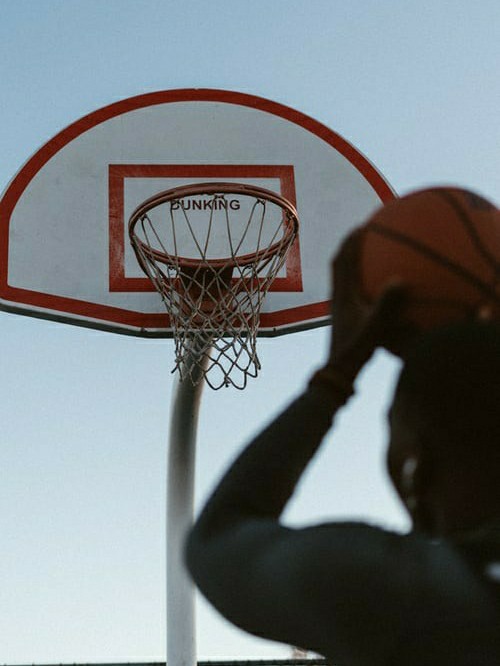
The Main Sports Psychologist Functions are:
1. Performance
2. Stress
3. Recouping After Injury.
4. Keeping a uniform Workout Regimen.
5. Enjoying sports.
The Benefits of Sports Psychology for Athletes
Mental Game Coaching is that the segment of sports psychology that concentrates specifically on helping athletes break through the mental barriers that are keeping them from performing up to their peak potential. By that specialize in the mental skills needed to achieve success in any sporting competition, mental game coaching seeks to realize the general goal of performance improvement.
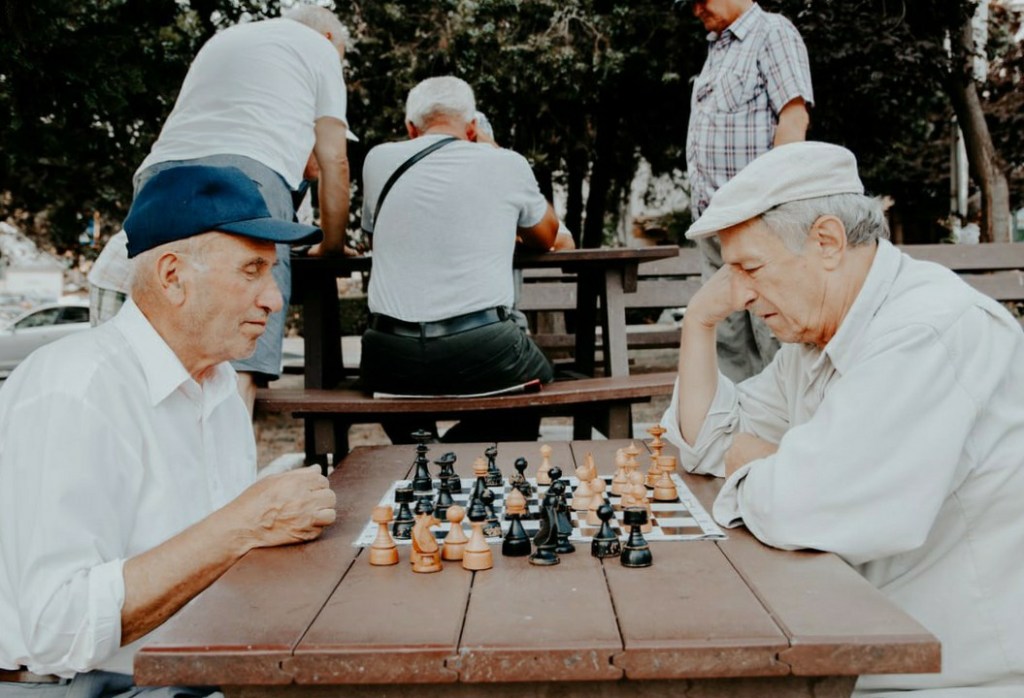
Sports Psychology is about improving your attitude and mental game skills to assist you perform your best by identifying limiting beliefs and embracing a healthier philosophy about your sport.
Below may be a list of the highest ten ways in which you’ll enjoy sports psychology:
1) Improve focus and affect distractions. Many athletes have the power to concentrate, but often their focus is displaced on the incorrect areas like when a batter thinks “I got to get a hit” while within the batter’s box, which may be a result-oriented focus. Much of my instruction on focus deals with helping athlete to remain focused on this moment and abandoning of results.
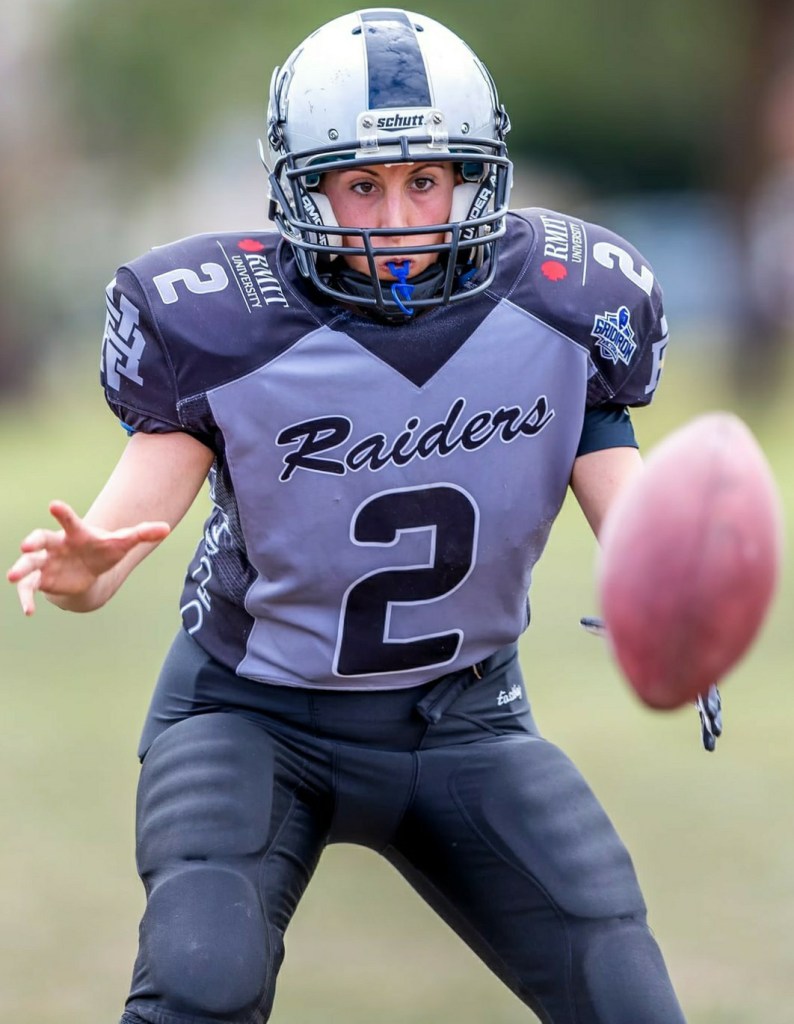
2) Grow confidence in athletes who have doubts. Doubt is that the opposite of confidence. If you maintain many doubts before or during your performance, this means low self-confidence or a minimum of you’re sabotaging what confidence you had at the beginning of the competition. Confidence is what I call a core mental game skill due to its importance and relationship to other mental skills.
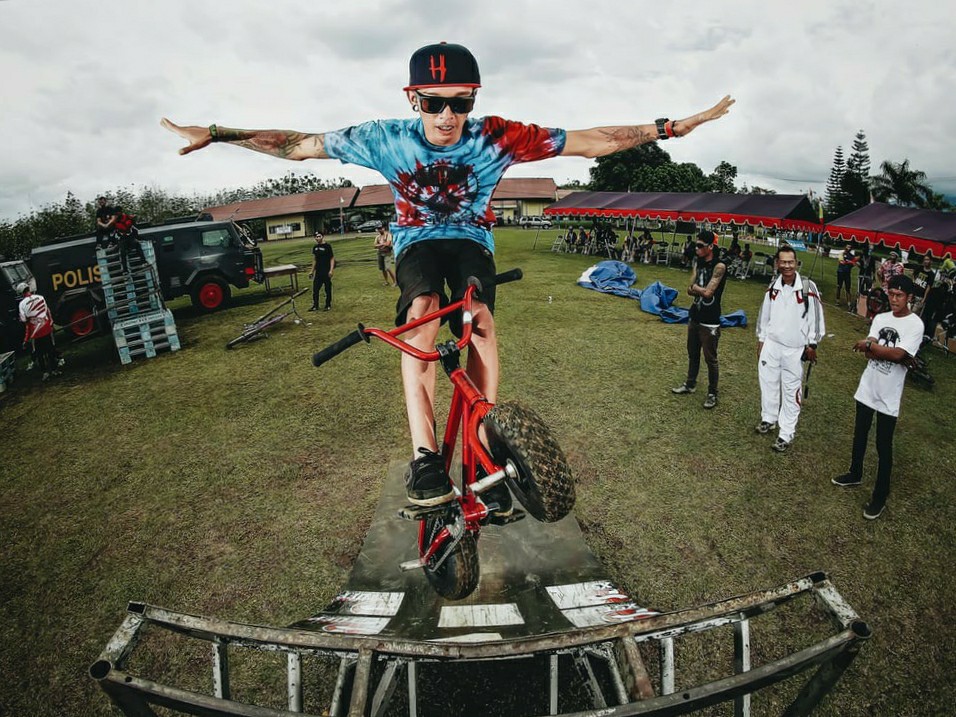
3) Develop coping skills to affect setbacks and errors. Emotional control may be a prerequisite to stepping into the zone. Athletes with very high and strict expectations, have trouble handling minor errors that are a natural a part of sports. It’s important to deal with these expectations and also help athletes stay composed struggling and once they commit errors or become frustrated.

4) Find the proper zone of intensity for your sport. I exploit intensity during a broad sense to spot the extent of arousal or mental activation that’s necessary for every person to perform his or her best. This may vary from person to person and from sport to sport. Feeling “up” and charged is critical, but not getting overly excited is additionally important. You’ve got to tread a fine line between being excited to finish, but not getting over-excited.

5) Help teams develop communication skills and cohesion. A serious a part of sports psychology and mental training helps teams improve cohesion and communication. The more a team works as a unit, the higher the results for all involved.

6) To instill a healthy belief system and identify irrational thoughts. One among the areas I pride myself on helps’ athlete identify ineffective beliefs and attitudes like comfort zones and negative self-labels that hold them back from performing well. These core unhealthy beliefs must be identified and replaced with a replacement way of thinking. Unhealthy or irrational beliefs will keep you stuck regardless of what proportion you practice or hard you are trying.

7) Improve or balance motivation for optimal performance. It’s important to seem at your level of motivation and just why you’re motivated to play your sport. Some motivators are better within the long-term than others. Athletes who are extrinsically motivated often play for the incorrect reasons, like the athlete who only participates in sports due to a parent. I work with athlete to assist them adopt a healthy level of motivation and be motivated for the proper reasons.
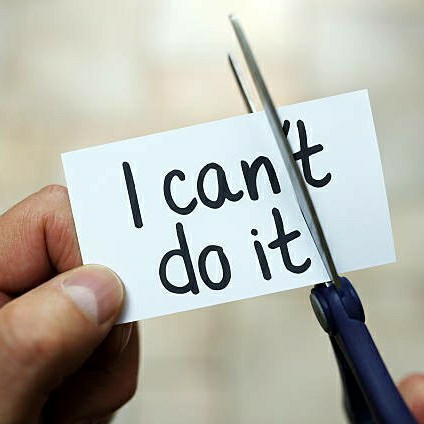
8) Develop confidence post-injury. Some athletes find themselves fully prepared physically to urge back to competition and practice, but mentally some scars remain. Injury can hurt confidence, generate doubt during competition, and cause a scarcity of focus. I help athletes mentally heal from injuries and affect the fear of re-injury.
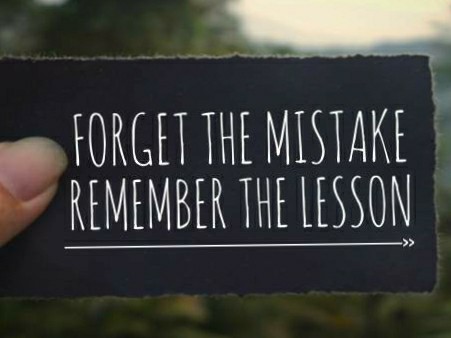
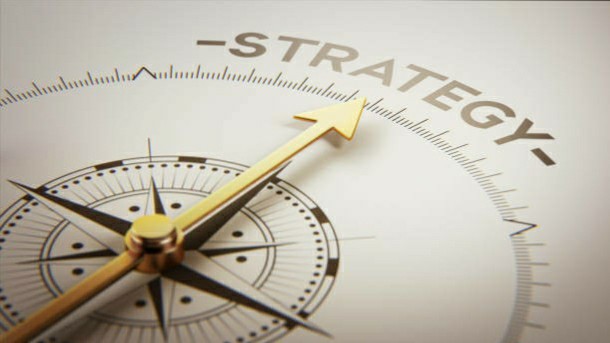
9) To develop game-specific strategies and game plans. All great coaches employ game plans, race strategies, and course management skills to assist athletes mentally steel oneself against competition. This is often a neighborhood beyond developing basic mental skills during which a mental coach helps athletes and teams. This is often vital in sports like golf, racing, and lots of team sports.
10) To identify and enter the “zone” more often. This incorporates everything I neutralize the mental side of sports. The general aim is to assist athletes enter the zone by developing foundational mental skills which will help athletes enter the zone more frequently. It’s impossible to play within the zone every day, but you’ll set the conditions for it to happen more often.
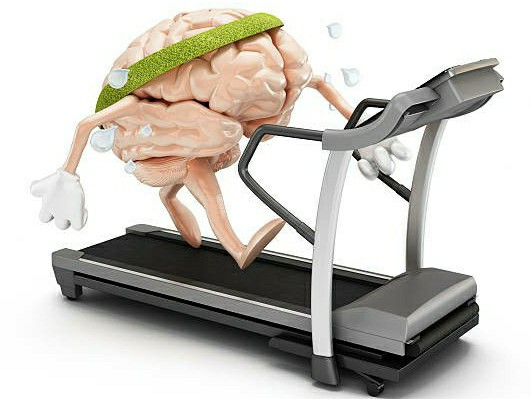
I will add that sport psychology might not be appropriate for each athlete. Not every one who plays a sport wants to “improve performance.” Sport psychology is perhaps not for recreation athletes who participate for the social component of a sport or don’t spend time performing on technique or fitness to enhance performance. Young athletes whose parents want them to ascertain a sports psychologist aren’t good candidate either. It’s vital that the athlete desires to enhance his or her mental game without having the motive to satisfy a parent. Similarly, an athlete who sees a mental game expert only to satisfy a teacher isn’t getting to fully enjoy mental training.
Sports Psychology does apply to a good sort of serious athletes. Most of my students (junior, high school, college, and professional athletes) are highly committed to excellence and seeing how far they will enter sports. They love competition and testing themselves against the simplest in their sport. They understand the importance of a positive attitude and mental toughness. These athletes want every possible advantage they will get including the mental edge over the competition.
Why do Athletes use Sports Psychology?
• Sports psychology covers a variety of mental skills and techniques athletes can learn and improve in. It’s not something an athlete should believe doing “because something is wrong with them”. Instead, consider a sports psychologist as a teacher who can train your mind for improved performance. Examples of techniques in sports psychology include positive self talk (for confidence), gratitude (for humility, grounding and motivating others in your team), visualization (for learning new skills quicker), focus (for “playing within the moment”), also as techniques for handling nervousness, performance dips, motivation and more.
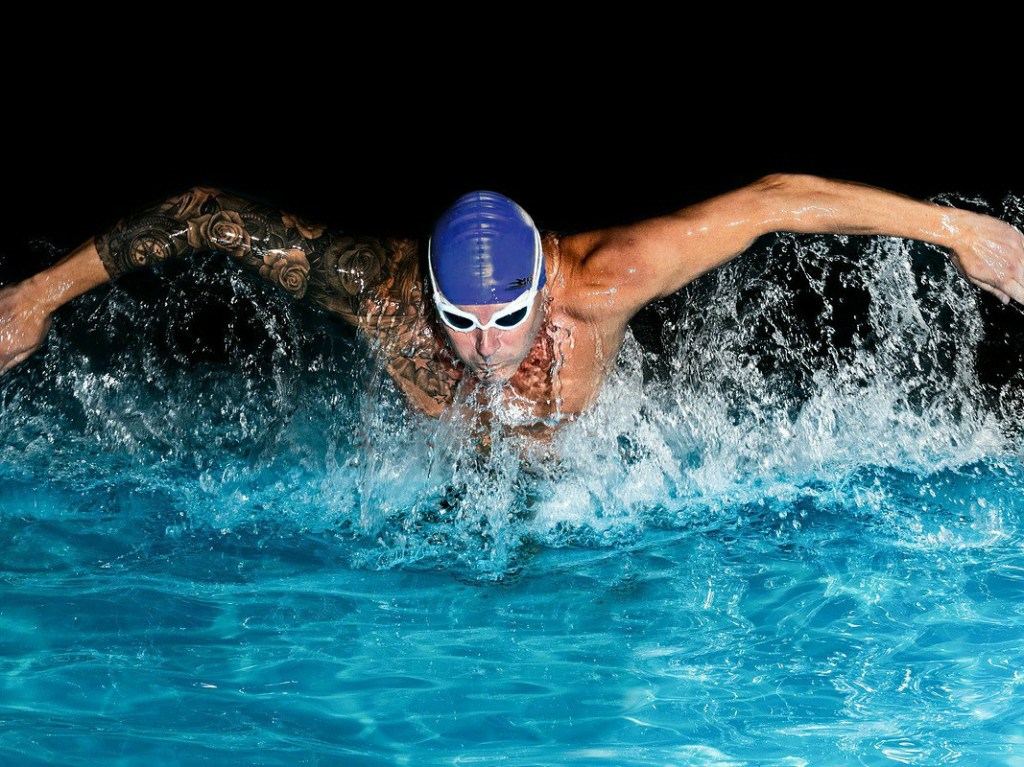
• Sports psychology also helps athletes who are dealing with different aspects of their career — for instance developing teamwork and leadership abilities, working at key moments, handling injury and recovery, being selected/dropped and eventually handling the loss felt from retirement.
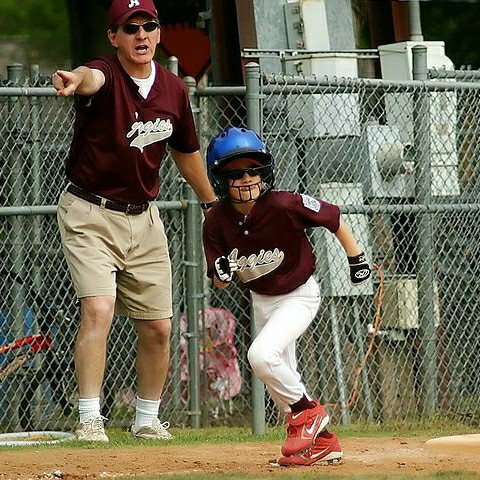
• Any skills you develop, you would like to regularly practice your mental skills otherwise you will lose effectiveness over time. Books, podcasts, coaches and trained sports psychologists can all assist you improve your mental game, as can apps like Champion’s Mind or Headspace which help athletes to coach their “mental muscle” every day. Sports psychology skills aren’t innate or possessed only by a couple of gifted individuals. Rather, they’re skills that are practiced and learned. They take work, and are repeatedly shown under clinical conditions to enhance overall performance during a wide selection of sports.

• Sports psychology skills are life skills. As a successful pro, you would possibly play for a touch over a decade, but the talents you learn in sports psychology will benefit you in the least stages of your life.
 SPORTS AND FITNESS